Wrongful convictions can change every aspect of your life. Years may pass before new evidence comes to light, leaving you coping with emotional, financial, and personal hardship.
In some cases, DNA testing has played a major role in proving that someone convicted of a crime was actually innocent. As forensic science continues to evolve, DNA evidence remains one of the most powerful tools available in criminal law cases involving wrongful convictions. When new evidence emerges, including DNA testing results, it may provide an opportunity to challenge prior convictions and pursue justice through the legal system.
At Law & Schriener, LLC, we assist clients in St. Louis and across Missouri with criminal law matters and post-conviction issues. From our office in Clayton, Missouri, we understand how devastating a wrongful conviction can be, and we’re here to help when you call us today.
DNA Evidence Has Changed Many Criminal Cases
For decades, criminal cases often relied heavily on eyewitness testimony, confessions, or circumstantial evidence. While those forms of evidence may still appear in court today, DNA testing has significantly changed how many investigations and convictions are evaluated.
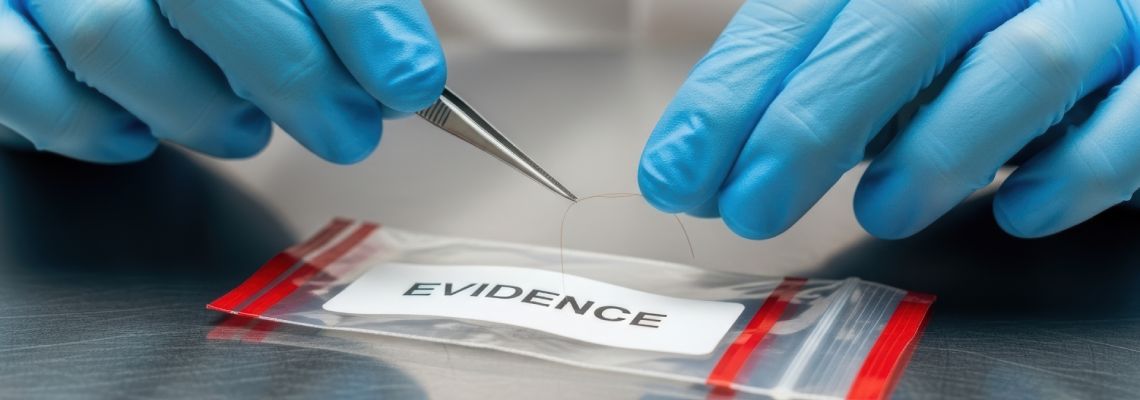
DNA evidence can identify biological material left behind at a crime scene, including blood, saliva, hair, or skin cells. In wrongful conviction cases, modern testing methods may reveal that biological evidence doesn’t match the person convicted of the crime.
Several factors make DNA evidence especially important in criminal cases:
Scientific reliability: DNA testing can provide highly accurate and specific identification results.
Ability to revisit older cases: Evidence collected years earlier may sometimes be retested using newer methods.
Objective analysis: DNA testing may reduce reliance on memory-based testimony or assumptions.
Identification of alternative suspects: DNA results may point toward another individual connected to the crime.
As forensic technology has improved, many convictions that once appeared final have been reopened. While DNA evidence can be powerful, wrongful convictions often stem from several contributing problems as well.
Wrongful Convictions May Involve Multiple Causes
Many wrongful conviction cases involve more than a single mistake. Instead, several factors may combine during investigations and trials, eventually leading to an inaccurate conviction.
In criminal law cases, some common causes of wrongful convictions include:
Eyewitness misidentification: Witnesses may unintentionally identify the wrong person during stressful situations.
False confessions: Intense interrogations or mental health conditions may lead individuals to confess falsely.
Faulty forensic testimony: Older forensic techniques may prove unreliable or incomplete later.
Improper police procedures: Evidence collection errors or investigative mistakes may affect case outcomes.
Prosecutorial misconduct: Failure to disclose evidence may impact a defendant’s ability to present a full defense.
As these issues become clearer during post-conviction review, DNA evidence may help confirm whether the original conviction was supported by reliable facts.
Preserved Evidence Often Becomes Critical Years Later
DNA testing can only occur if evidence still exists and remains in usable condition. Because of this, preserving biological evidence becomes extremely important in criminal cases involving potential wrongful convictions.
Evidence that may later support DNA testing can include:
Clothing collected from crime scenes: Blood, skin cells, or bodily fluids may remain on fabric.
Weapons or physical objects: DNA traces may be recoverable from items that were handled.
Sexual assault evidence kits: Biological material may remain available for advanced testing.
Hair or fingernail samples: Older evidence may still contain recoverable DNA material.
Stored forensic laboratory samples: Crime labs sometimes retain portions of evidence after testing.
As evidence preservation becomes more important, many states have implemented rules regarding how long biological evidence must be retained after convictions. Even with preserved evidence, however, legal procedures still play a major role in post-conviction DNA requests.
Post-Conviction Testing Usually Requires Court Approval
Although DNA testing can change the outcome of criminal cases, courts generally require formal legal requests before post-conviction testing occurs. Individuals seeking relief often must file motions explaining why additional testing may affect the original conviction.
Several legal factors may influence whether courts approve testing requests:
Whether the evidence still exists: Missing or destroyed evidence may limit testing opportunities.
Whether prior testing occurred: Courts may review whether newer methods could provide different results.
Whether identity was disputed during trial: DNA testing is often more relevant when identity is central to the case.
Whether testing could affect the outcome of the conviction: Courts may consider whether favorable results could support exoneration.
As courts review these requests, both prosecutors and defense lawyers may present arguments regarding the significance of potential DNA findings.
DNA Evidence May Reveal Investigative Errors
When post-conviction DNA testing excludes a convicted individual, the results may also expose broader investigative problems that occurred earlier in the case. In criminal cases involving wrongful convictions, DNA findings sometimes reveal that investigators focused too heavily on one suspect while overlooking contradictory evidence. In other cases, prosecutors may have relied on witness testimony later contradicted by forensic science.
DNA exonerations have uncovered issues involving:
Tunnel vision during investigations: Law enforcement may focus on a single suspect too early.
Improper lineup procedures: Witness identifications may have been influenced unintentionally.
Inaccurate forensic testimony: Older forensic methods may prove unreliable later.
Suppressed evidence: Favorable information may not have been disclosed during trial.
Pressure during interrogations: Suspects may have provided false statements under stress.
As these issues emerge, wrongful conviction cases may also prompt broader discussions about fairness within the criminal justice system.
Get in Touch With Us Today
We understand how life-changing DNA evidence may be in cases involving disputed convictions. We’re available to discuss legal options and review concerns about potential wrongful conviction claims. At Law & Schriener, LLC, we work with clients in Clayton, Missouri, St. Louis, Missouri, and across Missouri on criminal law matters involving wrongful convictions and post-conviction concerns. Contact our firm to learn more.